One could say that our body speaks. Small cramps, nervousness, troubled sleep. Often, the cause is low magnesium intake. Here comes the question: Should I choose nettle or magnesium glycinate?
The information below is for educational purposes only and does not replace medical advice. Always consult your doctor or pharmacist before using herbs or supplements.
Magnesium is involved in hundreds of processes:
Its deficiency is common, especially in stressful times.
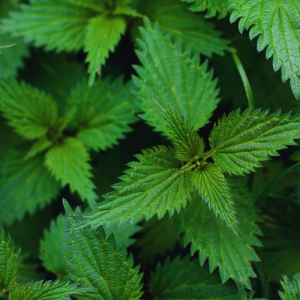
Nettle (Urtica dioica) is a herb with a long history.
Nettle doesn’t just provide magnesium. It also brings phytochemicals, antioxidants, and a touch of “natural energy.”
Magnesium glycinate is a chelated form of magnesium. It is well-tolerated and usually causes fewer digestive issues compared to magnesium oxide.
Studies show that:
| Criteria | Nettle | Magnesium glycinate |
| Origin | Herb, food | Supplement |
| Magnesium | ~51 mg per cup (cooked) | Dosage stated on packaging |
| Absorption | Good from leaves, lower in tea | Mixed data, often better than inorganic salts |
| Other actions | Antioxidant, diuretic | Relaxation, muscle support |
| Daily use | Yes, as food or infusion | Yes, but within UL (250 mg/day from supplements) |
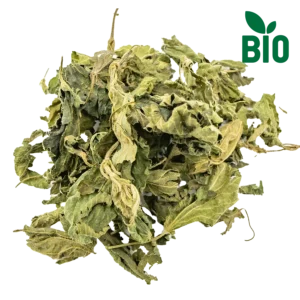
Organic nettle is cultivated without pesticides or chemicals. This way, it retains its natural strength and reaches you pure, just as offered by the Greek land.
The two options don’t exclude one another. They can be combined, depending on your needs.
You can enjoy a cup of nettle infusion during the day and use magnesium glycinate if your doctor recommends it.
One cup of cooked nettle provides about 51 mg of magnesium.
It contributes, but less than eating the leaves.
Yes, in moderate amounts. Typically, 1.5 g dried herb per cup, up to 3–4 cups daily.
Not recommended during pregnancy or breastfeeding without medical guidance. Caution in kidney problems or if taking medication.
The information above is for educational purposes only and does not replace medical advice. Always consult your doctor or pharmacist before using herbs or supplements.
Subscribe to our newsletter to stay informed about herbs, recipes, exclusive offers, and receive a 15% discount on your first order!

Ευχαριστούμε πολύ τα παρακάτω websites για τη συνδρομή τους σε επιπρόσθετο, ελεύθερο φωτογραφικό υλικό (free stock) που χρησιμοποιείται στην ιστοσελίδα μας:
Pixabay.com
Pexels.com
Unsplash.com
Freepik.com
Canva.com
Adobe.com
Σταύρος Δεβεράκης (Φωτογράφος)
Many thanks to the following websites for their subscription to additional, free stock photography used on our website:
Pixabay.com
Pexels.com
Unsplash.com
Freepik.com
Canva.com
Adobe.com
Stavros Deverakis (Photographer)